
Anger Counselling & Anger Management Therapy in Singapore
When anger takes over, you may say things you wish you could take back, hurt people you care about, or find yourself caught in the same arguments again and again. Afterwards, you may feel regret, guilt or frustration with yourself. You may know you want to respond differently, yet when emotions run high, it can feel as though the anger takes over before you have a chance to choose how to respond.
At Emotional Wellness Counselling Singapore, Ms Carol Goh offers an integrative psychotherapy approach designed to help you move beyond surface-level management and break free from recurring emotional cycles. When you feel triggered, therapy goes beneath the surface to address the root emotional patterns and internalised beliefs driving those reactions. By integrating evidence-based modalities like EMDR and Schema Therapy, our work together fosters deep, lasting healing—empowering you to navigate life with greater composure, freedom, and emotional resilience.
- 20+ Years of Clinical Experience
- 2,000+ Counselling Cases Involving Individuals and Couples
- 97% 5-star Google Reviews
- In-Person Near Orchard & Online Sessions
- English & Mandarin
- Regain Emotional Control
- Break Painful Patterns
- Protect the Relationships That Matter

"Her empathy and insightful feedback helped me navigate my emotions and manage my anger effectively. She was always patient and dedicated, making me feel supported throughout my journey." — Verified Google Review
Anger Counselling at a Glance
Who it is for | Individuals who feel their anger is affecting their emotions, relationships, work or daily life, whether it shows through outbursts or more quietly through irritability, frustration or resentment |
|---|---|
Common concerns | Anger outbursts, difficulty controlling anger, irritability, resentment, regret after angry reactions, relationship conflict and workplace anger |
What therapy addresses | The emotional experiences, past hurts, beliefs and recurring patterns that may be underneath anger |
Therapeutic approaches | An integrative approach that may include EMDR, Schema Therapy, CBT, Gestalt Therapy and other psychotherapy techniques where appropriate |
What is Anger Counselling?
It is professional support for people who find anger, irritability, frustration or resentment difficult to manage. It provides a confidential setting to make sense of your concerns and work towards responses that are more consistent with how you want to behave and relate to others.
The focus can vary depending on your circumstances. For some people, the work may centre on managing reactions and conflict, while for others it may also involve exploring emotional or relational difficulties associated with recurring anger.
Who Can Benefit from Anger Counselling?
Anger counselling may be worth considering when your reactions feel difficult to control, keep affecting your relationships or daily life, or leave you regretting what you have said or done. You do not need to have frequent angry outbursts to benefit from support.
You may benefit from anger counselling if you:
- find that certain situations consistently trigger strong emotional reactions
- become easily irritated, frustrated or defensive
- struggle to calm yourself once anger has been triggered
- react more strongly than you intended and later regret it
- hold onto resentment or find it difficult to let go of past hurts
- experience recurring conflict with your partner, family, friends or colleagues
- feel that your usual ways of managing anger are no longer working
- want to understand your reactions rather than simply suppress them
Anger can also appear more quietly as persistent irritability, frustration or resentment. Counselling can help you understand these reactions and develop more choice in how you respond.
Common Anger Concerns We Help With
Anger can look different from person to person. Some people experience obvious outbursts, while others hold their anger in until it eventually spills over.
We can support concerns such as:
- Anger outbursts — shouting, losing your temper or reacting more strongly than intended.
- Difficulty controlling anger — feeling unable to pause once anger is triggered.
- Irritability and frustration — becoming easily annoyed, impatient or reactive.
- Anger in relationships — recurring arguments, resentment or emotional reactions with people close to you.
- Anger at work — difficulty handling criticism, disagreement or perceived unfairness.
- Resentment and regret — holding onto past hurts or regretting what you say or do when angry.

When to Seek Professional Help for Anger
You may want to consider professional support when anger is becoming difficult to manage on your own or when the same pattern continues despite your efforts to change it.
Professional help may be worth considering when:
- Your efforts to manage anger are not creating lasting change — you have tried calming techniques or other strategies, but the same reactions continue to return.
- You are increasingly concerned about the consequences — anger is beginning to affect relationships, work or other areas of daily life in ways that are difficult to resolve on your own.
- You keep repeating reactions you later regret — you understand that your response was stronger than you wanted, but find it difficult to respond differently when similar situations arise.
- You want to understand why the pattern keeps happening — you feel that simply controlling your reactions is not enough and want to explore what may be contributing to them.
- You are unsure what is driving your reactions — you may recognise that something is triggering you but cannot make sense of why certain situations affect you so strongly.
- You are ready to make a meaningful change — even if your anger has not caused a major problem, counselling can provide a structured space to understand your reactions and work towards responding in ways that better reflect how you want to behave.
You do not need to wait until anger becomes overwhelming before seeking support. An initial consultation can help you understand what you are experiencing and whether counselling may be appropriate for your situation.
How Anger Counselling Can Help
Anger counselling can help you develop greater awareness and choice in how you respond, so difficult emotions do not automatically determine your actions.
Create space before reacting
recognise what is happening internally so you have more opportunity to choose how you respond.
Respond with greater control
handle emotionally charged situations without allowing anger to dictate your words or actions.
Express difficult emotions more constructively
communicate what you are experiencing without anger becoming the main way it comes out.
Handle difficult interactions more effectively
approach disagreements and emotionally charged conversations with greater awareness and composure.
Break unhelpful response patterns
develop different ways of responding when familiar situations repeatedly lead to the same reactions.
Feel more confident in your ability to manage anger
build greater trust in your capacity to deal with challenging situations without losing control.
Before & After: Anger Counselling
- Before Counselling
“They are disrespecting me. I need to defend myself.”
After Counselling“I can protect my boundaries without reacting aggressively.”
- Before Counselling
“If I don't react strongly, I'll be taken advantage of.”
After Counselling“I can be firm and still remain calm and in control.”
- Before Counselling
“Once I'm angry, I can't stop myself.”
After Counselling“I can recognise what I'm feeling, pause and choose how I want to respond.”
- Before Counselling
“Something is wrong with me when I react like this.”
After Counselling“I can understand my reactions with more self-compassion and respond differently.”
- Before Counselling
“They should know better. Why do they always do this to me?”
After Counselling“I can step back and consider what else may be happening before I react.”
- Before Counselling
“If they disagree with me, they are against me.”
After Counselling“Someone can disagree with me without it becoming a personal attack.”
Our Approach to Anger Therapy
At Emotional Wellness Counselling Singapore, anger therapy goes beyond simply learning how to control angry reactions. Our approach looks at what may be sustaining recurring anger and helps you work towards meaningful change.
Root-Cause Focus, Not Just Anger Management
Rather than focusing only on stopping an angry reaction, we explore the emotional experiences, beliefs and patterns that may be contributing to it. This can help you understand why certain situations affect you strongly and create opportunities for a different response.
Integrative Psychotherapy for Your Individual Needs
There is no single therapeutic approach that fits everyone. Depending on your concerns and goals, therapy may integrate approaches such as EMDR, Schema Therapy, CBT and Gestalt Therapy. Each approach serves a different therapeutic purpose and may be used where clinically appropriate.
Processing What Continues to Affect You
For some clients, recurring anger may be connected to unresolved emotional experiences or longstanding patterns. Where appropriate, therapy provides an opportunity to process these experiences rather than continually managing the same reaction at the surface level.
From Automatic Reactions to Greater Choice
The goal is not to eliminate anger. Anger can be a valid emotional response. Instead, therapy aims to help you understand what your anger is communicating and develop greater freedom in deciding how to respond.
Guided by Experience and Clinical Expertise
Ms. Carol Goh brings more than 20 years of counselling experience and has worked with more than 2,000 individual and couple cases. Her approach combines clinical experience with an understanding of different psychotherapy methods, allowing the therapeutic work to be guided by the concerns and goals identified in counselling.
Working Towards Meaningful, Lasting Change
The aim is to move beyond repeatedly managing the same reactions and towards greater emotional awareness, healthier responses and more freedom in how you relate to yourself and others.
Your Anger Therapy Journey
Anger therapy is a process rather than a quick fix. Together, we work at a pace that feels right, with the focus guided by what you are experiencing and what you want to change.
Stage 1: Explore What You Want to Change
We explore your anger triggers, recurring reactions and the situations in which anger tends to arise. This helps identify the emotions, thoughts and experiences that may be contributing to your responses.
Stage 2: Recognise Your Patterns and Responses
You develop greater awareness of automatic thoughts, emotional responses and behavioural patterns that can intensify anger. Understanding these patterns can create more space between what you feel and how you respond.
Stage 3: Process and Resolve
Where appropriate, therapy helps you work through unresolved emotional experiences that may continue to influence your reactions. Evidence-based psychotherapy approaches are used to support emotional processing and healthier ways of responding.
Stage 4: Move Forward with Greater Freedom
You develop greater emotional awareness and confidence in handling difficult situations without anger taking control. The goal is to help you respond with greater choice, stability and self-control in everyday life.
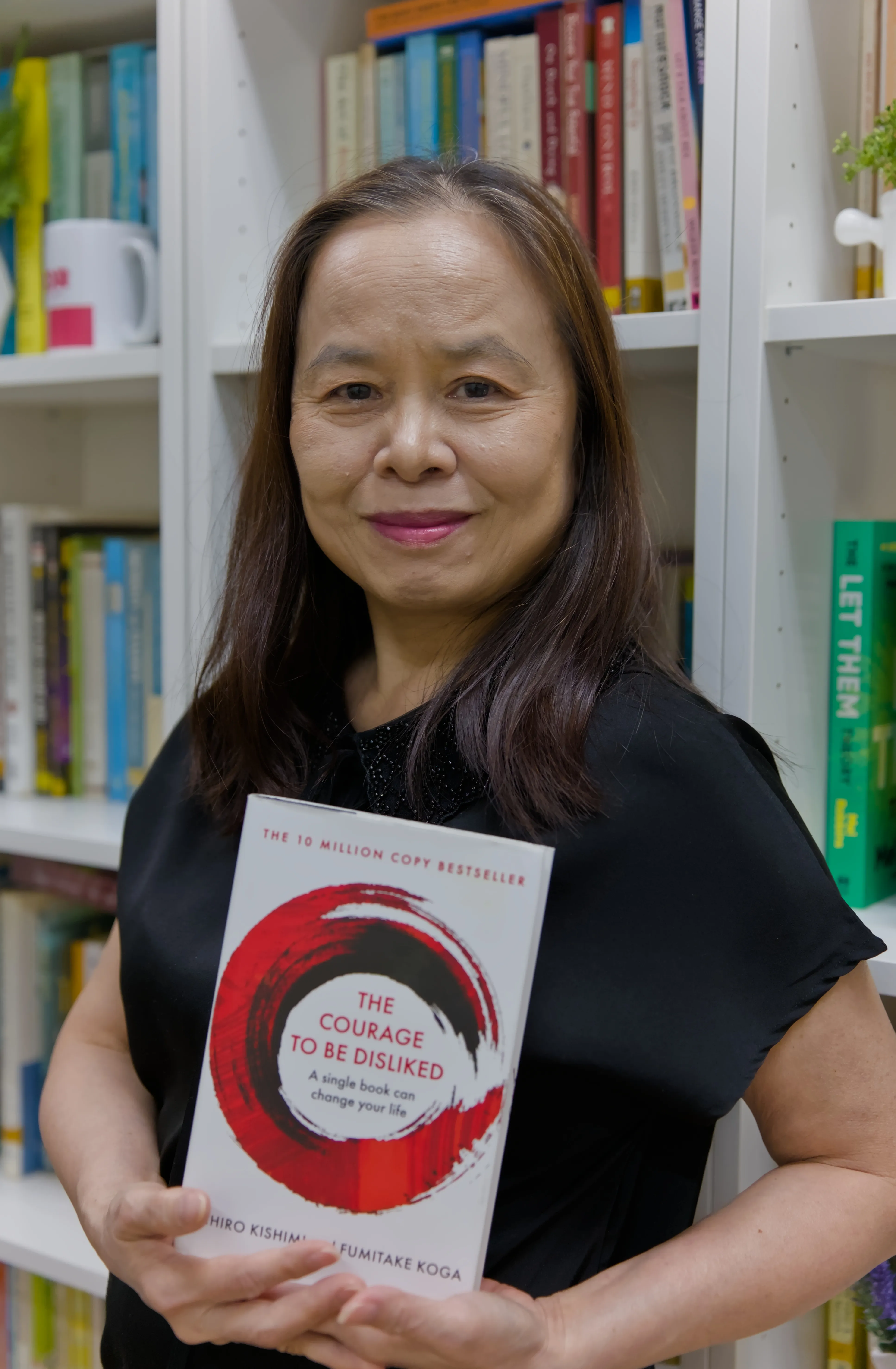
Meet Your Anger Counsellor — Carol Goh
Ms Carol Goh, Senior Counsellor & Psychotherapist
When anger has affected the people or relationships you care about, choosing the right therapist matters. You need someone who can look beyond the reaction itself while making you feel safe enough to talk honestly about what you are experiencing.
Ms Carol Goh has more than 20 years of counselling experience and has worked with more than 2,000 individual and couple cases. She holds a Master of Social Science (Counselling) from the University of South Australia and is a founding member of the EMDR Association of Singapore.
For clients seeking support with anger, the work may include emotional regulation, understanding recurring reactions, reshaping unhelpful beliefs and developing healthier ways of relating to others.
Learn more about Ms. Carol Goh and her therapeutic philosophy on our About Us page.
Our Client Experiences
Clients' experiences of therapy are personal and can vary. The following feedback illustrates how some clients have experienced the therapeutic process:
- “Carol really knows what she is doing. She addressed my issue with anxiety, low self-esteem and anger. Also, She helped me understand what had happened to me. Now I feel equipped to do things differently. Working with Carol was the most valuable of my life.”Verified Google Review
- “Carol has been a great help in giving me tools to deal with emotional triggers, uncovering the cause of those triggers from past experiences in life and helping me reframe the negative beliefs and narratives I carried from those experiences. Ever since working with her, I've noticed a significant reduction in trigger episode, reduced feelings of despair and now have a more upbeat, calm and positive outlook on life!”Verified Google Review
- “I am incredibly thankful for the support I received from Carol during a challenging time in my life. No doubt the first few months of therapy was difficult to comprehend but the shift of mindset happened unknowingly and I am able to regulate my emotions better. Carol is not only a skilled professional psychotherapist but also compassionate and understanding. The strategies and tools I gained from our sessions have been invaluable in navigating life's ups and downs.”Verified Google Review
These experiences are individual and do not represent a guaranteed outcome. Therapy is tailored according to each person's circumstances, needs and goals.
Related Counselling Services?
Anger can overlap with other emotional concerns, but the primary focus of each service is different.


If you are unsure whether your difficulties are primarily related to anger, anxiety, past experiences or a combination of concerns, you can discuss this during an initial consultation. The focus can then be considered according to what you are experiencing.
Frequently Asked Questions
Can anger be caused by deeper emotional hurt?
Yes. Anger can sometimes be a secondary emotion. Beneath recurring anger may be feelings such as hurt, humiliation, unfairness or powerlessness. Where these experiences are connected to past hurts or longstanding emotional patterns, counselling can help explore and process what may be contributing to the reaction.
I've tried to calm myself down when I'm angry. Why do I still react the same way?
Practical strategies can help reduce escalation in the moment, but they may not address every factor contributing to recurring reactions. If you continue to experience the same pattern despite your efforts, counselling can provide an opportunity to identify what may be contributing to it.
Can anger therapy help if I only lose my temper with my family?
Yes. Some people find that their strongest reactions occur with people they are closest to. Relationships can activate expectations, frustrations and emotional patterns that may not appear in other settings. Counselling can help you become aware of why this happens and develop different ways of responding.
Can I benefit from counselling if I do not have angry outbursts?
Yes. Anger does not always appear as shouting or aggression. Some people experience persistent irritability, resentment, frustration or difficulty letting go of perceived hurts. Counselling can address these patterns as well.
How is anger counselling different from anger management?
Anger management generally focuses on practical strategies for recognising and regulating anger. Anger counselling can include these skills while also exploring the emotional or relational difficulties associated with recurring reactions.
What happens during the first session?
The first session is an opportunity to discuss what you have been experiencing, your background and what you would like to change. You do not need a diagnosis or to know exactly what therapy you need. The discussion helps you and your counsellor explore what support may be relevant.
What therapy approaches are used for anger?
The approach depends on the individual. Where appropriate, therapy may draw on EMDR, Schema Therapy, Gestalt Therapy, CBT and other integrative psychotherapy approaches. Your therapist will determine what is relevant based on your concerns and goals.
How many counselling sessions will I need?
There is no fixed number of sessions that applies to everyone. The ideal duration depends on the nature and complexity of the concerns, your goals and how therapy progresses. Your counsellor can discuss this with you as your work develops.
Can I try counselling if I am not sure whether I need therapy?
Yes. You do not need to be certain that therapy is right for you before making an enquiry. An initial conversation can help you understand what you are experiencing and whether counselling would be required.
Is counselling confidential?
Counselling is provided in a confidential setting, subject to the applicable professional and legal limits of confidentiality. You can discuss any questions about confidentiality with your counsellor before beginning therapy.
Are online sessions available?
Yes. Online counselling is available for clients who prefer to attend sessions remotely.
Do you offer counselling in Mandarin?
Yes. Counselling sessions are available in both English and Mandarin.
Where are sessions held?
In-person sessions are available near Orchard Road in Singapore. Online sessions are also available.
Related Articles
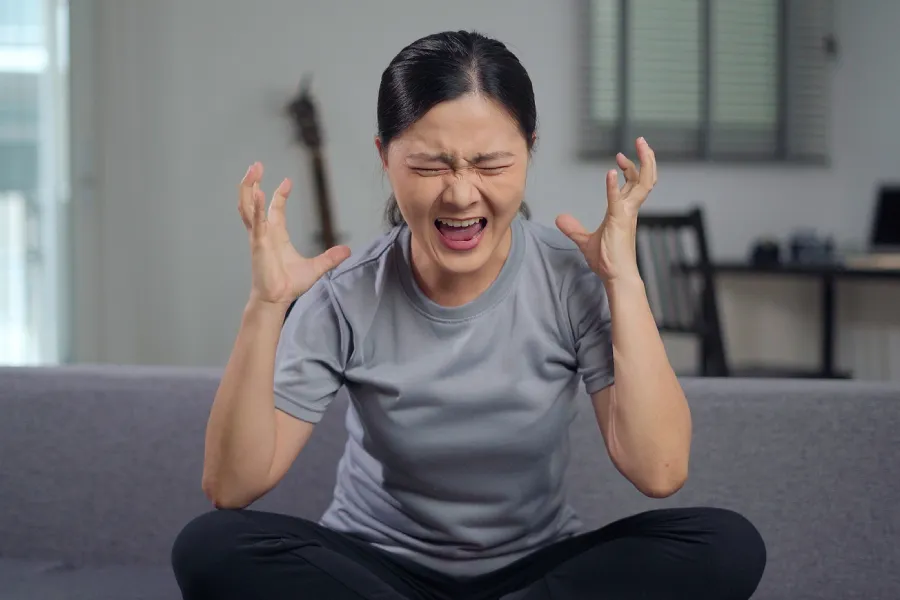
4 Anger Management Strategies To Help You Stay Calm
Four practical ways to defuse anger in the moment—and why resolving the root causes with therapy leads to lasting change.
Read article
Anger Management Counselling and Therapy in Singapore
Understand why anger is a secondary emotion, how deep-rooted hurts fuel outbursts, and how evidence-based psychotherapy helps you regain control.
Read article