
Trauma Counselling in Singapore with Integrative Psychotherapy
When something from the past continues to affect how you feel, react or relate to others, it can be difficult to understand why you still feel this way — even when you know the experience is over. Perhaps certain situations trigger reactions you cannot explain, you struggle to feel safe or close to others, or you find yourself carrying emotions that you thought you had already moved past.
At Emotional Wellness Counselling Singapore, Carol Goh takes a root-cause approach to trauma therapy, looking beyond immediate symptoms to understand what may be contributing to the difficulties you experience today. Through EMDR, Schema Therapy and other relevant psychotherapy approaches, she works with you to understand and process what continues to affect you, so you can rebuild inner stability, regain emotional control, and move forward with clarity.
- 20+ Years of Clinical Experience
- 2,000+ Counselling Cases Involving Individuals and Couples
- 97% 5-star Google Reviews
- In-Person Near Orchard & Online Sessions
- English & Mandarin
- Understand What Is Affecting You
- Process What Remains Distressing
- Move Forward With Greater Freedom

"Opening up to strangers has never been easy for me, but Carol’s warm and compassionate demeanor made me feel safe and comfortable from the start. " — Verified Google Review
Trauma Counselling at a Glance
Who it may help | Individuals experiencing the lasting impact of early-life adversity, relational trauma, chronic stress, or sudden overwhelming events — with or without a formal PTSD diagnosis. |
|---|---|
Common concerns | Distressing memory loops, sudden mood shifts, constant alertness, deep self-doubt, and difficulty trusting or connecting with others. |
Therapeutic approaches | Integrative psychotherapy with EMDR, Schema Therapy and other appropriate approaches |
What therapy focuses on | Understanding what continues to affect you, processing distressing experiences and developing healthier ways of responding |
What Is Trauma Counselling?
Trauma counselling is a form of psychotherapy that helps people understand and work through the emotional, psychological and behavioural effects of traumatic or overwhelming experiences.
Even when an experience is over, its effects can continue to influence how you feel, think, react or relate to others. You may experience distressing memories, strong emotional reactions, avoidance, difficulties with trust or relationship patterns that are difficult to understand.
Trauma counselling provides a structured and supportive space to explore these difficulties and consider appropriate ways of working with them. Depending on your circumstances, therapy may involve processing distressing experiences, understanding long-standing emotional patterns and developing healthier ways of responding in the present.
Who Can Benefit from Trauma Counselling?
Trauma counselling may be helpful for individuals who continue to experience emotional, psychological or relationship difficulties following overwhelming, distressing or difficult experiences. You do not need to have a formal PTSD diagnosis to seek support.
Trauma counselling may be relevant if you have experienced:
- Childhood trauma or emotional wounds — including childhood abuse, bullying, neglect, rejection, prolonged criticism or other difficult early-life experiences.
- Relational or interpersonal trauma — including emotionally distressing, unsafe or difficult relationships that have affected your sense of trust, safety or self-worth.
- A sudden or overwhelming event — such as an experience that left you feeling frightened, powerless, unsafe or deeply distressed.
- Repeated or prolonged adversity — where ongoing difficult experiences or chronic stress have had a lasting emotional impact.
- Trauma-related symptoms or PTSD — such as distressing memories, nightmares, avoidance, heightened alertness or changes in mood and beliefs following a traumatic experience.
- Unresolved emotional experiences — where you feel emotionally stuck, continue to carry distress from what happened, or notice patterns you have not been able to change on your own.
You do not need to be certain that trauma is the cause of your difficulties before seeking counselling. An initial consultation can help you explore what you are experiencing and whether trauma-focused therapy may be appropriate.
Common Trauma Concerns We Help With
Trauma can affect people in different ways. Some difficulties may appear as emotional reactions, while others may show up in thoughts, behaviour, relationships or your sense of yourself.
Common trauma-related concerns include:
- Distressing memories or emotional reactions — recurring memories, upsetting thoughts or strong reactions when something reminds you of what happened.
- Feeling constantly alert or on edge — heightened awareness of potential danger, difficulty relaxing or feeling unable to switch off.
- Avoidance — avoiding people, places, conversations or situations connected with difficult experiences.
- Self-blame, shame or low self-worth — persistent feelings of inadequacy or believing that you were responsible for what happened.
- Difficulty trusting or feeling safe with others — struggles with closeness, boundaries, vulnerability or maintaining healthy relationships.
- Repeating emotional or relationship patterns — finding yourself responding in familiar ways or becoming involved in patterns that you would like to change.
These concerns can occur after traumatic experiences and may be associated with PTSD, but experiencing some of these difficulties does not necessarily mean that you have PTSD. An assessment can help clarify what may be contributing to your current experience.
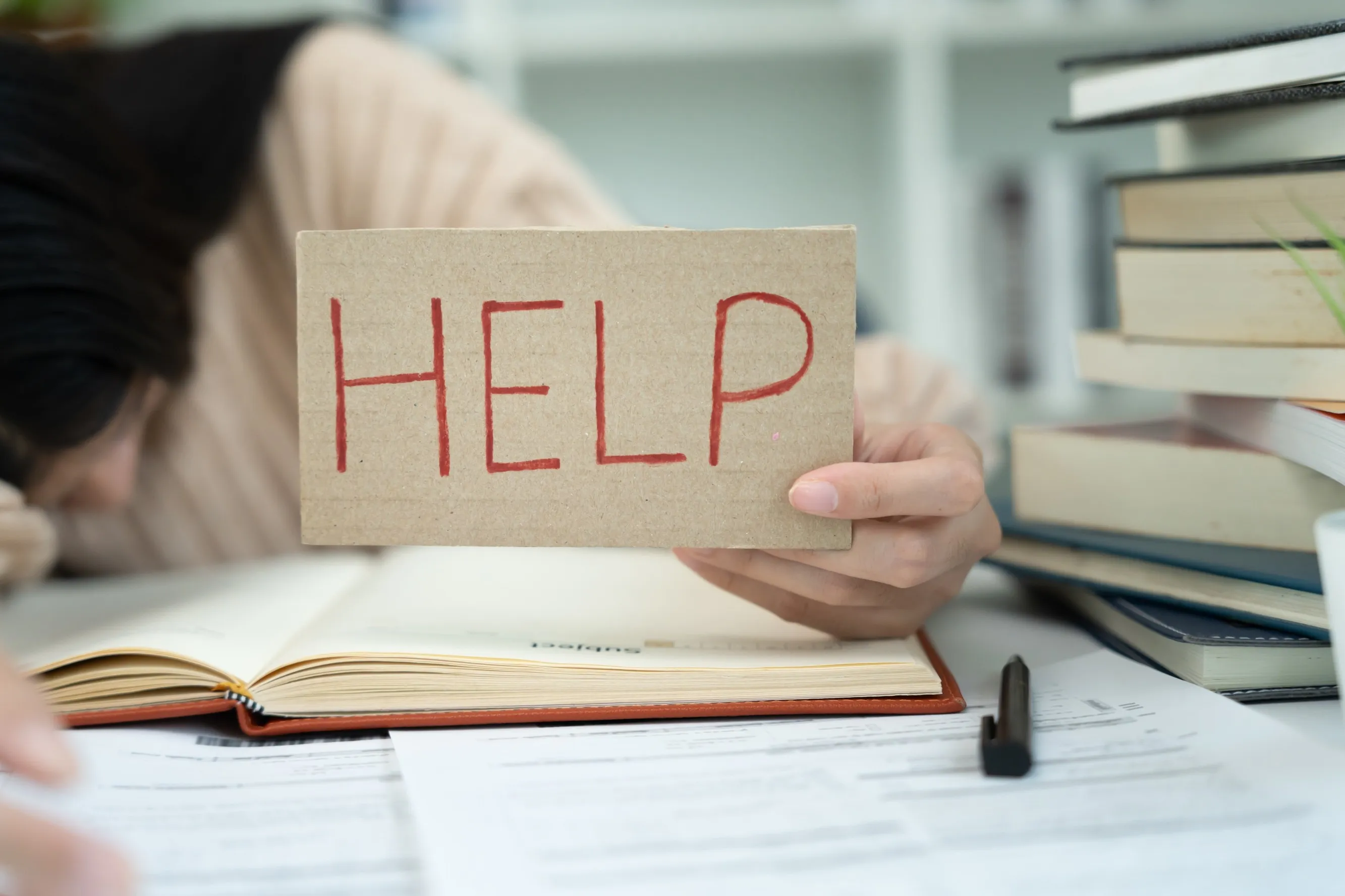
When to Seek Professional Help for Trauma?
You may wish to consider professional support when difficulties connected to past experiences continue to affect your everyday life, relationships or emotional wellbeing.
Trauma counselling may be worth exploring if:
- Your reactions feel stronger than the situation seems to warrant, and you find it difficult to understand why certain situations trigger such intense emotions.
- Distressing memories or reminders continue to affect you, even though the original experience happened some time ago.
- Your relationships are being affected, such as ongoing difficulties with trust, closeness, boundaries or feeling safe with others.
- You have tried to move on but still feel emotionally stuck, with the past continuing to influence how you see yourself, your relationships or your life.
- You find yourself repeating patterns you want to change, despite understanding intellectually that they are not helpful.
- Previous counselling has helped you understand what happened, but you still feel affected by it emotionally.
You do not have to wait until your difficulties become overwhelming before seeking help. You also do not need to diagnose yourself or decide whether what you experienced was “traumatic” enough to warrant counselling. A confidential consultation can help you understand your concerns and consider whether trauma-focused therapy is suitable for you.
How Trauma Counselling Can Help
Trauma counselling is not about erasing what happened. It is about helping you understand and process what remains emotionally difficult, so that past experiences no longer have the same influence over how you experience yourself, your relationships and your life today.
Feel Less Defined by What Happened
You may gradually develop a stronger sense of who you are beyond what you have been through. Rather than allowing past experiences to shape your identity or limit what you believe is possible, therapy can help you relate to your history with greater understanding and self-acceptance.
Experience Greater Emotional Freedom
As distressing experiences are processed, you may find that certain reminders or emotional reactions no longer feel as overwhelming. This can give you greater freedom to make decisions, pursue what matters to you and be more present in everyday life.
Build Healthier Connections
Healing can create greater capacity for relationships that feel more balanced and secure. You may become more aware of recurring patterns, more comfortable expressing your needs and boundaries, and better able to allow trust and closeness to develop at a pace that feels right for you.
Before & After: Trauma Counselling
Progress through trauma counselling can be different for each person. You may notice changes such as:
- Before Therapy
“I don't understand why I react this strongly”
With therapeutic support“I understand my reactions better and have more choice in how I respond”
- Before Therapy
“Certain reminders still feel overwhelming”
With therapeutic support“Those reminders feel much less emotionally overwhelming”
- Before Therapy
“I keep blaming myself for what happened”
With therapeutic support“I can view myself and what happened with greater compassion”
- Before Therapy
“I keep repeating patterns I don't want”
With therapeutic support“I recognise these patterns earlier and can respond differently”
- Before Therapy
“Part of me still feels stuck in what happened”
With therapeutic support“What happened still matters, but it no longer controls me in the same way”
Our Approach to Trauma Counselling
At Emotional Wellness Counselling Singapore, our approach to trauma therapy goes beyond managing difficult reactions. We look at what may be contributing to your current difficulties, including relevant experiences, emotional patterns and beliefs that may have developed over time.
The aim is to work towards root-cause healing — understanding and processing what continues to affect you, rather than focusing only on the symptoms you are experiencing today. The therapeutic approach is guided by your circumstances, concerns and readiness, rather than applying the same process to everyone.
Root-Cause Focused Trauma Therapy
Trauma can continue to influence how you feel, think, react and relate to others long after an experience has ended. Rather than focusing only on managing these reactions, therapy explores what may be underneath your current difficulties and what continues to hold you back.
This may involve understanding earlier experiences, long-standing emotional patterns and beliefs about yourself, others and relationships. An important part of this healing can be learning to shift the question from “What’s wrong with me?” to “What happened to me?” This can create greater understanding and self-compassion, while helping you recognise that some of your present reactions may have developed in response to what you have experienced.
Where appropriate, therapy then works towards processing what remains emotionally distressing so that it no longer has the same influence over your present life.
EMDR Therapy
EMDR may help process distressing memories and reduce the emotional intensity associated with experiences that continue to trigger strong emotional or physical responses.
Schema Therapy
Schema Therapy helps explore long-standing beliefs and emotional patterns that may have developed through earlier experiences, particularly those involving safety, self-worth, trust and relationships.
CBT
CBT may help identify unhelpful thought patterns and behavioural responses that contribute to current distress, while developing more balanced perspectives and healthier ways of responding.
Integrative Psychotherapy
Other psychotherapy techniques, such as Gestalt Therapy and Bibliotherapy, may also be incorporated where appropriate. Rather than applying the same combination of approaches to everyone, the therapeutic approach is guided by your individual circumstances and needs.
Working Towards Meaningful, Lasting Change
The goal is not simply to help you get through difficult moments. By understanding what contributes to your difficulties and working through what remains emotionally unresolved, therapy can help you develop greater clarity about yourself and your patterns.
Over time, this may support greater emotional resilience, healthier ways of relating and a stronger sense of being able to move forward without the past having the same hold over your life.
Your Trauma Therapy Journey
Trauma therapy is a gradual process. The pace and focus can vary depending on your experiences, current needs and readiness for therapeutic work.
1. Understanding Your Experiences
You and your counsellor will explore what brings you to therapy, your current difficulties and what you hope to change. This helps establish a clear direction for the therapeutic work.
2. Uncovering What Contributes to Your Difficulties
We will explore relevant experiences, relationships, emotional patterns and beliefs in greater depth to identify factors that may contribute to your current difficulties. This provides a clearer understanding of what needs to be addressed in therapy.
3. Processing Traumatic Memories and Patterns
When you feel ready, appropriate therapeutic approaches may be used to work through distressing memories, emotional responses or patterns that continue to affect you. The aim is to reduce their emotional hold and help you respond with greater choice.
4. Integrating & Moving Forward
As the therapeutic work progresses, the focus shifts toward integrating what you have learned and experienced into everyday life. You may begin to relate to yourself, your relationships and your future with greater clarity and freedom from the past.
Meet Your Trauma Counsellor: Carol Goh
Carol Goh is the founder of Emotional Wellness Counselling Singapore and a trauma counsellor and psychotherapist with over 20 years of counselling experience. She holds a Master of Social Science and has supported more than 2,000 clients with a wide range of emotional and psychological concerns.
Her experience includes trauma reprocessing and complex trauma, with training in EMDR Therapy and Schema Therapy. She is also a founding member of the EMDR Association of Singapore.
Carol takes an integrative approach to therapy, combining established psychotherapy methods according to each client's circumstances, concerns and therapeutic goals. Her aim is to provide a safe and supportive space where clients can better understand their experiences and work towards meaningful change.
Learn more about Ms. Carol Goh and her therapeutic philosophy on our About Us page.

What Clients Say About Our Trauma Therapy
You don't have to take our word for it. Here are experiences shared by clients who have worked with Carol on childhood experiences and trauma.
- “Through these sessions with Carol, we talked about my childhood and processed certain events through EMDR therapy. She listens with empathy, asks really good questions for self reflection and guides you through the processing of trauma. I’ve gained a much deeper understanding about myself and what’s shaped who I am today through these sessions.”Verified Google Review
- “My sessions with Carol have helped me understand myself on a much deeper level, especially through EMDR, which has supported me in processing my childhood experiences with more clarity. She also recommends good books that aligns with what I’m working through, and talking through the learnings from the book has been helpful in giving me added guidance throughout the healing process. Will recommend to anyone looking to work through their childhood experiences or trauma.”Verified Google Review
- “Glad to have gone through a number of sessions to process past trauma. Carol was friendly and patient, taking time to understand the background, asking guiding prompts as we revisited past trauma but still giving enough space for me to reflect on the responses.”Verified Google Review
Other Related Counselling Services

Trauma can sometimes contribute to anxiety or depression, so these concerns can overlap. If you are unsure which service best reflects what you are experiencing, you can contact us to discuss your concerns.
Frequently Asked Questions About Trauma Counselling
What is the difference between trauma counselling and PTSD therapy?
Trauma counselling is a broader term that can address the effects of traumatic experiences, whether or not someone has PTSD. PTSD therapy specifically addresses the symptoms and difficulties associated with Post-Traumatic Stress Disorder.
Can trauma processing help with childhood trauma?
Yes. Trauma-focused therapy may be appropriate when experiences from childhood continue to affect emotional wellbeing, relationships or self-esteem in adulthood. An initial consultation can help determine whether this type of therapy is suitable for you.
Can trauma affect relationships?
Yes. Some people notice difficulties with trust, closeness, boundaries or conflict after difficult experiences. Counselling can help you explore these patterns and consider healthier ways of relating.
Can trauma cause anxiety or depression?
Traumatic experiences can be associated with anxiety, low mood and other emotional difficulties. However, anxiety and depression can also occur for many other reasons. An assessment can help clarify what may be contributing to your current concerns.
How does EMDR help with trauma?
EMDR is a trauma-focused psychotherapy approach that may help reduce the distress associated with traumatic memories. It is used as part of a broader therapeutic process when it is considered appropriate for the client.
How does Schema Therapy help with trauma?
Schema Therapy explores long-standing beliefs and patterns that may have developed through earlier experiences. It can help clients understand patterns involving safety, self-worth, trust, relationships and other areas affected by their history.
What if I have had counselling or talk therapy before but still feel affected by my trauma?
Some people seek counselling or talk therapy, gain a better understanding of what happened, yet continue to experience strong emotional reactions, distressing memories or patterns that affect their lives. This does not necessarily mean that previous counselling was unsuccessful. Different therapeutic approaches work in different ways, and talking about an experience does not always mean that its emotional impact has been fully resolved.
If you still feel affected, it may be helpful to explore whether there is something from your past that remains emotionally unresolved. An initial consultation can help you understand what may be continuing to affect you and whether one of the trauma-focused approaches we specialise in may be relevant.
Do I have to describe my trauma or talk about everything in detail?
No. You can decide what you are comfortable sharing, and the pace of therapy can be discussed according to your circumstances and readiness. We focus first on establishing safety and stability before exploring past events. Approaches such as EMDR may be used to work with distressing memories without requiring you to verbally describe every detail.
What Happens in Your First Trauma Counselling Session?
Your first session is an opportunity to talk about what brings you to counselling, what you have been experiencing and what you hope to change. You can share at a pace that feels comfortable, and you do not need to have everything figured out before you begin.
The session may include discussing relevant experiences, emotional or relationship difficulties, and any concerns you have about therapy. The aim is to understand your needs, answer your questions and consider whether trauma-focused therapy may be appropriate for you. Together, you can then discuss a suitable direction for the work ahead.
How long does trauma therapy take?
There is no fixed number of sessions because the timeframe depends on factors such as the nature of the difficulties, your history, therapeutic goals and how you respond to treatment. The number and frequency of sessions can be reviewed as therapy progresses.
Is trauma counselling available online in Singapore?
Yes. Counselling sessions are available both in person near Orchard Road and online. Sessions are available in English and Mandarin.
Why Choose Emotional Wellness Counselling Singapore for Trauma Counselling?
Emotional Wellness Counselling Singapore takes a root-cause approach to trauma therapy, looking beyond immediate symptoms to understand what may be contributing to your current difficulties. Carol Goh brings over 20 years of counselling experience, with experience in trauma reprocessing and complex trauma. Therapy may incorporate EMDR, Schema Therapy, CBT and other integrative psychotherapy approaches according to your individual circumstances and therapeutic goals.
Related Articles

Healing From An Emotionally Abusive Teen Relationship
How to recognise emotional abuse in teen relationships, its effects, and practical steps to break the cycle and begin healing.
Read article
All You Need To Know About Trauma: Causes, Symptoms, Effects
What trauma is, common causes and symptoms, potential effects like PTSD and grief, and how therapy helps—plus where to get support in Singapore.
Read article
Understanding Post-Traumatic Stress Disorders (PTSD)
What PTSD looks like, common causes and symptoms, and evidence-based therapies (EMDR, Schema, CBT) that support recovery.
Read article