
Infidelity Counselling in Singapore: Affair Recovery & Rebuilding Trust
An affair can leave you questioning what happened, what it means about you and whether your relationship can ever feel safe again. Whether you are the partner who was betrayed or the one who had the affair, counselling can provide a confidential space to work through the emotional impact, understand what continues to affect you and gain clarity about what you want to do next.
At Emotional Wellness Counselling Singapore led by experienced counsellor and psychotherapist Ms. Carol Goh, our approach combines counselling with psychotherapy such as EMDR and Schema Therapy, where clinically appropriate. This allows us to go beyond simply talking about the affair and help you process distressing experiences and address longstanding emotional patterns connected to the hurt.
- 20+ Years of Clinical Experience
- 2,000+ Counselling Cases Involving Individuals and Couples
- 97% 5-star Google Reviews
- In-Person Near Orchard & Online Sessions
- English & Mandarin
- Restore your self-worth
- Rebuild trust
- Find clarity for your future

"Carol made me feel safe and heard. Prior to the session, I wasn’t at my best due to a relationship. But Carol listened and helped me to rationalise my thoughts and approach the situation with a renewed perspective that I couldn’t have done so alone or with the help of my friends/family." — Verified Google Review
Infidelity Counselling at a Glance
Who it is for | Individuals or couples affected by an affair, betrayal or serious breach of relationship trust |
|---|---|
Common concerns | Shock, anger, grief, guilt, shame, intrusive thoughts or images, emotional distress, loss of trust, intimacy difficulties and uncertainty about the future |
Clinical focus | Working through the emotional impact of betrayal, identifying contributing patterns, strengthening emotional safety and trust where relevant, and gaining clarity about the way forward |
Therapeutic approaches | An integrative approach drawing on psychotherapy techniques such as EMDR, Schema Therapy, CBT and Bibliotherapy |
What Is Infidelity Counselling?
Infidelity counselling is specialised support for individuals or couples dealing with the emotional and relationship impact of an affair or betrayal.
An affair can affect more than trust between partners. It may bring intense emotional reactions, painful memories, changes in self-worth, difficulty feeling secure, uncertainty about the relationship and questions about what happened and what comes next.
Counselling provides a confidential space to understand these experiences and determine what needs attention. Depending on your circumstances, the work may involve individual emotional recovery, understanding relationship patterns, rebuilding trust and boundaries, or gaining clarity about whether and how the relationship should continue.
Who Can Benefit from Infidelity Counselling?
Infidelity counselling can support individuals and couples affected by an affair, whether you are seeking help for yourself or working through the impact of the affair together.
Partner Who Was Betrayed
You may benefit from individual or couples counselling if you:
- Are trying to understand and process the impact of discovering an affair.
- Want professional support while deciding how you would like to move forward.
- Are considering whether rebuilding the relationship is right for you.
- Want to understand what you need from yourself, your partner and the relationship.
- Are working through the impact of the affair on your sense of self and your relationship.
- Want a structured and confidential space to work through the experience.
Partner Who Had the Affair
You may benefit from individual or couples counselling if you:
- Want to understand the choices and circumstances surrounding the affair.
- Are prepared to examine your role and take responsibility for your actions.
- Want to understand beliefs, emotional needs or relationship patterns that may require attention.
- Want to rebuild the relationship and understand what may be needed from both partners.
- Want to develop greater self-awareness and make meaningful changes.
- Are seeking professional support to determine how to move forward.
Infidelity Concerns We Help With
Infidelity can affect emotional well-being, trust and the way you experience your relationship. Counselling can provide support for concerns such as:
- Emotional shock and distress — feeling overwhelmed, unsettled or struggling to process the discovery of an affair.
- Intrusive or persistent thoughts — repeatedly thinking about what happened, replaying events or struggling to switch off from the betrayal.
- Loss of trust and emotional security — finding it difficult to feel safe, confident or secure with your partner.
- Changes in intimacy and connection — experiencing emotional or physical distance, disconnection or difficulty reconnecting.
- Guilt, shame and responsibility — struggling with the emotional consequences of having an affair or coming to terms with your choices.
- Uncertainty about the relationship — feeling unsure whether to rebuild the relationship, separate or take more time before deciding.
These concerns can affect people differently, and the focus of counselling may change as your needs and therapeutic goals become clearer.
When to Seek Professional Help for Infidelity
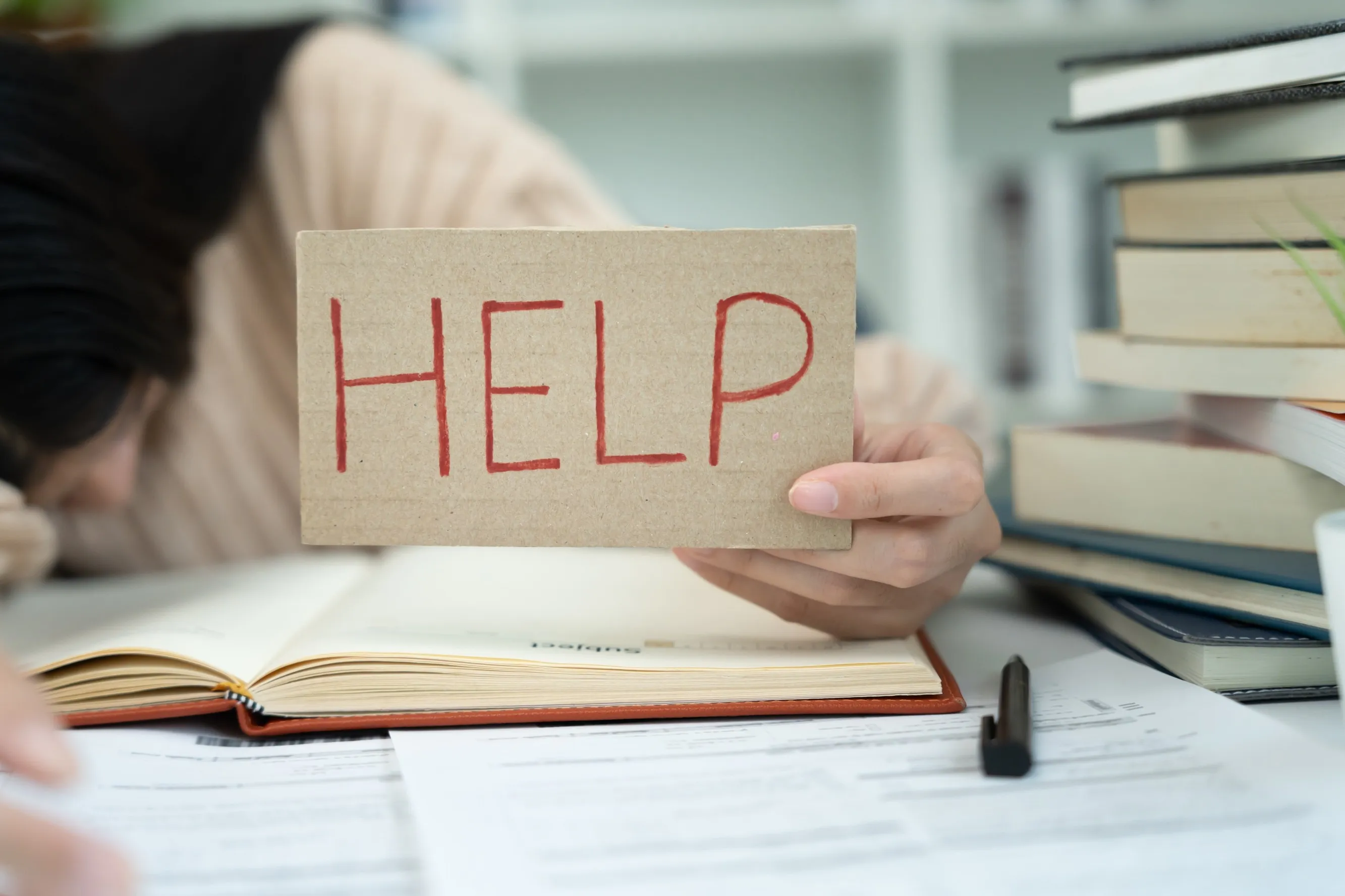
You do not have to wait until the situation reaches a crisis before seeking professional support. Counselling may be helpful when you find that the impact of an affair is difficult to work through on your own or is affecting your ability to make decisions about the future.
You may consider seeking professional help if:
- You feel stuck — you have tried to work through the situation but remain unsure how to move forward.
- The situation continues to affect your daily life — you find it difficult to regain your usual sense of stability or focus.
- You are struggling to make sense of what happened — you want a structured space to understand the situation and its impact on you.
- You are unsure how to move forward as a couple — you want professional guidance on what may be needed if you are considering rebuilding the relationship.
- You are facing an important relationship decision — you are uncertain whether to stay, separate or take more time before deciding.
- You want to understand your own role — if you had the affair, you may seek support to examine your choices, take responsibility and identify what needs to change.
You can seek counselling individually or as a couple, depending on your circumstances. You also do not need to have decided whether to reconcile or separate before starting. An initial consultation can provide a structured opportunity to understand your situation and consider an appropriate way forward.
How Infidelity Counselling Can Help
For the partner who was betrayed
An affair can leave you struggling with shock, anger, grief, intrusive thoughts, painful memories or a loss of confidence. Counselling can help you process these reactions, restore your sense of self-worth, understand what you need to feel emotionally safe, and gain clarity about whether and how you want to move forward.
Process the Emotional Impact
You can work through the emotions and distress that continue to affect you rather than simply trying to suppress or move past them.
Restore Self-Worth
Counselling can help you separate your sense of worth from your partner's decision to have an affair and develop a more grounded perspective on what happened.
Rebuild the Capacity for Trust
Where rebuilding the relationship is being considered, counselling can help you explore what is needed for emotional safety, clearer boundaries and the gradual rebuilding of trust.
Gain Clarity About the Future
You do not have to decide immediately whether to stay, reconcile or separate. Counselling can help you understand your needs and consider what is realistically possible.
For the partner who had the affair
The partner who had the affair may experience guilt, shame, defensiveness or confusion about their choices. Counselling can help you understand what contributed to the situation, take responsibility for your actions and develop greater awareness of the patterns that may need to change.
Understand What Contributed to the Affair
Counselling can explore beliefs, emotional needs, relationship difficulties and personal patterns that may have influenced your choices, without using them to excuse the betrayal.
Take Responsibility
The focus can move beyond guilt or defensiveness towards accountability, empathy and a clearer understanding of the impact of your actions.
Develop Greater Self-Awareness
Examining the choices, emotional patterns and triggers involved can help you better understand why you responded as you did.
Make Meaningful Changes
Greater awareness can help identify what needs to change so that you can make different choices and develop healthier ways of responding in future relationships.
Not sure where to begin?
You can start with an individual consultation, even if your partner isn't ready to attend.
Before & After: Infidelity Counselling
For the partner who was betrayed
- Before Counselling
“If my partner betrayed me, I must not have been good enough.”
After Counselling“Their decision to betray me does not determine my worth. I can separate my self-worth from what happened.”
- Before Counselling
“I can't trust anyone again.”
After Counselling“What happened has affected my ability to trust, but I can learn to recognise what feels safe and make more informed choices about trust.”
- Before Counselling
“I need to know every detail before I can move on.”
After Counselling“Some questions may need answers, but repeatedly searching for information may not give me the certainty or relief I am looking for.”
- Before Counselling
“I have to decide now whether to stay or leave.”
After Counselling“I do not have to make an immediate decision. I can first understand what I need and what is realistically possible.”
The goal is not to replace painful thoughts with artificially positive ones. It is to help you develop a more grounded way of seeing yourself, the betrayal and your choices moving forward.
For the partner who had the affair
- Before
“I had an affair because my partner wasn't giving me what I needed.”
After“My relationship difficulties may help explain what I was experiencing, but I am responsible for the choices I made and how I responded to them.”
- Before
“I feel terrible about what I did, so I must be a terrible person.”
After“I can take responsibility for what I did without defining my entire identity by my worst decision.”
- Before
“I don't understand why I did it, so I might make the same mistake again.”
After“I can examine the beliefs, emotional needs and triggers that influenced my choices and identify what needs to change.”
The aim is not to justify the affair or force a particular outcome. It is to help each person understand what has happened, address what continues to affect them and make more informed choices about the future.
Our Approach to Affair Recovery
Every experience of infidelity is different, so counselling is adapted to your circumstances, emotional needs and therapeutic goals. We look beyond the affair itself to understand the emotional impact, relationship dynamics and patterns that may be contributing to ongoing distress or difficulty moving forward.
Depending on your needs, counselling may integrate evidence-based psychotherapy approaches to support emotional processing, greater self-awareness and meaningful change.
EMDR Therapy
EMDR may be used to help process distressing experiences, intrusive memories and emotional reactions that continue to feel overwhelming after an affair or betrayal.
Schema Therapy
Schema Therapy can help identify longstanding beliefs and emotional patterns that may influence how you respond to betrayal, relationships, self-worth and trust.
CBT
CBT can help you recognise unhelpful thoughts and behavioural patterns and develop more constructive ways of responding to difficult emotions and relationship challenges.
Bibliotherapy
Bibliotherapy may involve the use of carefully selected books or written resources to support reflection, increase understanding and reinforce therapeutic work between sessions.
Other therapeutic techniques may also be incorporated where clinically appropriate. The choice of approach depends on your individual circumstances rather than following a fixed treatment model.
Your Affair Recovery Journey: What We May Work Through Together
Recovery from infidelity is not always linear, and the pace of counselling varies from person to person. The process is guided by your circumstances, emotional needs and therapeutic goals.
1. Understanding What Happened
We begin by understanding what happened, the impact of the affair and the concerns you want to address. This provides a clearer foundation for the work ahead.
2. Stabilising and Processing the Betrayal
Once the immediate concerns are understood, counselling focuses on processing difficult emotions, distressing memories and reactions that may be affecting your daily life. The aim is to help you feel more grounded and better able to cope.
3. Exploring What Contributed to the Affair
Where appropriate, we explore the beliefs, emotional needs, relationship dynamics and recurring patterns that may have contributed to the affair. Understanding these factors can support greater self-awareness without using them to excuse the betrayal.
4. Rebuilding Safety, Trust and Boundaries
If rebuilding the relationship is being considered, counselling can help address emotional safety, trust, communication and boundaries. Both partners can explore what may be needed to create a healthier relationship moving forward.
5. Deciding the Way Forward
As you gain greater understanding and emotional stability, counselling can help you consider what you want for the future. Whether you choose to rebuild the relationship or move forward separately, the focus is on making informed decisions that align with your needs and values.
Meet Your Infidelity Counsellor, Carol Goh
Carol Goh, Master of Social Science, brings over 20 years of counselling and psychotherapy experience and has worked with more than 2,000 cases. She is also a founding member of the EMDR Association of Singapore.
Carol supports individuals and couples navigating the aftermath of infidelity, including those seeking help after being betrayed and those wanting to understand and take responsibility for their own actions. She recognises that each person's experience of an affair is different and that the decision to rebuild a relationship or move forward separately may take time.
Her role is to provide a safe, confidential and non-judgemental space where you can speak openly about difficult experiences and explore what you need without being pressured towards a particular outcome.
Counselling can be attended individually or as a couple, depending on your circumstances and your partner's willingness to participate. You do not need to have decided whether to reconcile or separate before seeking support.
Sessions are available in English and Mandarin, either in person at the practice near Orchard MRT or online.
Learn more about Ms. Carol Goh and her therapeutic philosophy on our About Us page.

What Client Says About Our Infidelity Counselling
Every client's experience of counselling is unique. The feedback below reflects how some clients have experienced their therapeutic journey:
- “We were at a really rocky place in our marriage when we met Carol. Carol was able to help us resolve many issues by breaking down the complexity of the problem and also working on each of us individually. We were able to take back small but meaningful changes that really helped our relationship. We have been seeing Carol on and off for a few years now and each time has made a positive impact on my marriage.”Verified Google Review
- “Seeking professional support was something I was wary about for a long time. Thankfully, Carol put me at ease; the sessions did not feel cold or clinical, and she listened and cared about me sincerely, making me feel comfortable…”Verified Google Review
- “Carol is attentive, experienced as well as excellent at building rapport and trust. I began my journey with her several months ago, where every session brought me new perspectives and insights as we worked through processing via EMDR and schema therapy. This helped me grow towards becoming more self-confident and self-reliant as an individual, as well as build healthier and stronger relationships with my loved ones.”Verified Google Review
These experiences are individual and do not represent a guaranteed outcome. The counselling process is shaped around each individual's circumstances, needs and goals.
Related Counselling Services
Infidelity can sometimes occur alongside other relationship or emotional concerns. Depending on your circumstances, the following counselling services may also be relevant:




Frequently Asked Questions About Infidelity Counselling
Can I come for counselling alone if my partner won't attend?
Yes. You can begin with individual counselling to process your own experience, understand your needs and gain clarity about your next steps. Your partner does not have to attend before you can seek support.
Can counselling help after an emotional affair?
Yes. Emotional affairs can significantly affect trust, emotional security and the relationship. Counselling can provide a structured space to understand the impact and work through the concerns that remain.
Can counselling help after a physical or sexual affair?
Yes. Counselling can support individuals and couples dealing with the emotional consequences of physical or sexual infidelity, including anger, grief, intrusive thoughts, loss of trust and uncertainty about the relationship.
Can we rebuild trust after an affair?
Trust can sometimes be rebuilt, but it is a process rather than a single conversation or decision. Where both partners are willing to participate, counselling can support greater transparency, accountability, clearer boundaries and renewed emotional safety.
Do we have to decide whether to stay together before starting counselling?
No. You do not need to know whether you want to remain together before seeking support. Counselling can help you understand your situation, clarify your needs and make a more informed decision about your future.
What happens during the first few sessions?
The initial sessions focus on understanding your relationship history, the impact of the infidelity, the concerns bringing you to counselling and what you hope to achieve. This provides a basis for determining an applicable therapeutic direction. Psychotherapy techniques are not necessarily applied during the initial sessions.
What therapy approaches are used?
An integrative approach is used, with techniques such as EMDR, Schema Therapy, CBT and Bibliotherapy incorporated where clinically appropriate. The specific approach depends on the concerns and therapeutic goals identified during counselling.
How many sessions will we need?
There is no fixed number of sessions because the required duration depends on the complexity of the situation, your goals and your progress. The therapeutic direction can be reviewed as counselling develops.
Is infidelity counselling confidential?
Counselling sessions are confidential and conducted in a private setting, subject to applicable professional, ethical and legal exceptions.
Do you offer online infidelity counselling in Singapore?
Yes. Confidential online sessions are available in addition to in-person appointments near Orchard MRT.